
A red, wet, itchy patch on your dog can move from minor irritation to a painful skin problem fast. Dog hot spot treatment starts with stopping the lick-scratch cycle, gently cleaning the area, and knowing when home care is not enough. If your dog is in severe pain, the spot is spreading, there is pus or a bad odor. Or your dog seems feverish or lethargic, call your veterinarian instead of trying to manage it alone.
Need topical support for a small irritated area? Shop Summit Hot Spots & More Spray, a drug-free topical spray for dogs and cats, and use it as directed while monitoring for signs that veterinary care is needed.
This guide is designed to help you make a calm, practical decision. You will learn what hot spots are, what careful first steps may help, which products belong in a home-care plan, and when your veterinarian should examine your dog. Supplements and topical products can support skin comfort and cleanliness. But they do not replace veterinary diagnosis or prescribed treatment when infection, pain, or an underlying allergy is involved.
Dog hot spot treatment starts with identifying the problem
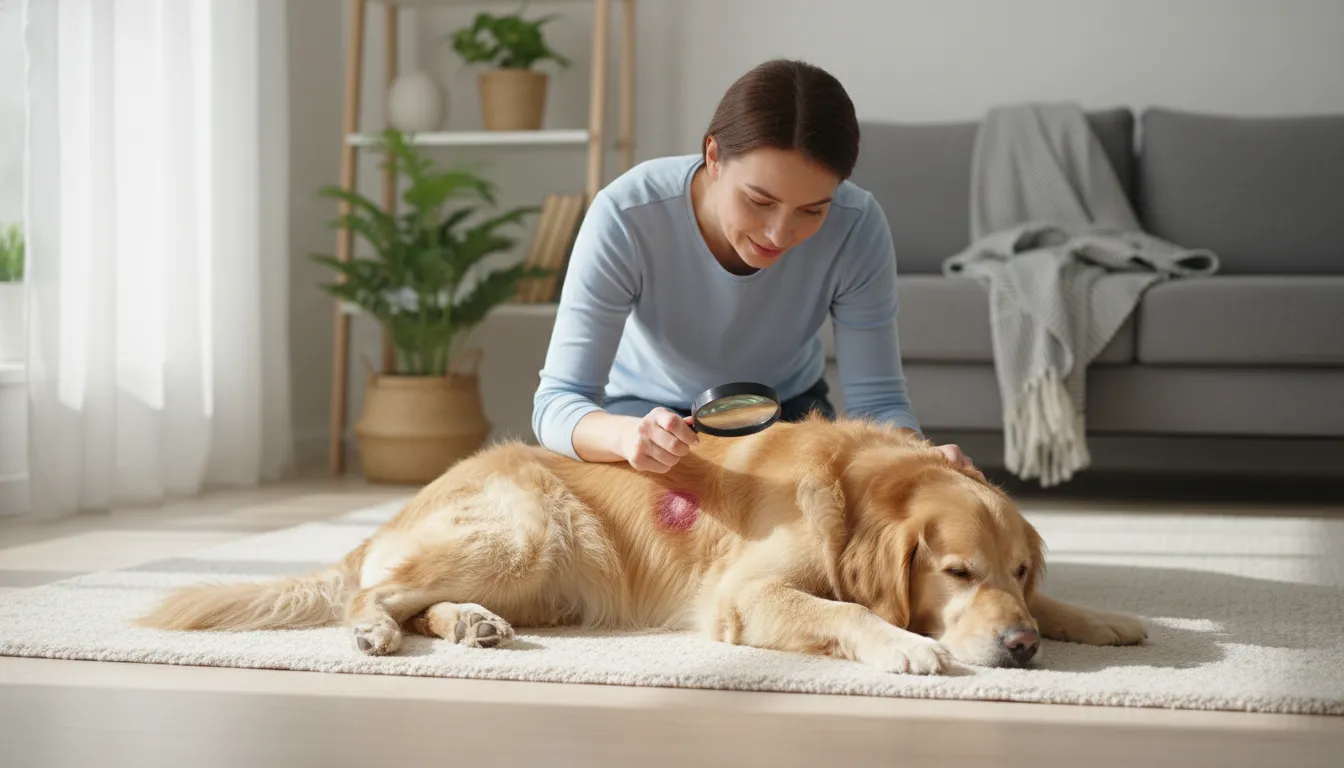
Hot spots are commonly described as moist, inflamed skin lesions that can appear suddenly. They are often warm, red, wet, itchy, and tender. Many dogs create or worsen them by licking, chewing, or scratching one irritated place until the skin barrier breaks down. Once that happens, moisture and bacteria can make the area harder to calm without the right care.
Owners often notice hot spots on the neck, cheeks, hips, thighs, base of the tail, or under the ear. Dogs with thick coats, dogs that swim often, and dogs with allergies or fleas can be more prone to them. A hidden mat, damp undercoat, ear infection, or flea bite may be enough to start the cycle. The visible sore is important, but the trigger behind it matters too.
A true treatment plan depends on severity. A tiny, early patch that is not spreading may respond to careful cleaning, drying, and protection from licking. A large, painful, oozing, swollen, or fast-growing spot is different. Those cases may need clipping, prescription anti-itch medicine, antibiotics, pain control, or testing for the underlying cause.
The goal is not to throw every product at the skin. The goal is to reduce moisture, limit self-trauma, protect the skin surface, and decide quickly whether your dog needs a vet. If you are unsure, a veterinarian can help you avoid delaying care when infection is already present.
What causes hot spots on dogs?
Hot spots usually begin with irritation. A dog feels itchy, sore, or wet in one area and responds by licking or chewing. That repeated attention damages the skin, traps moisture, and makes the area more inflamed. The more it itches, the more the dog licks. The more the dog licks, the worse the lesion becomes.
Common triggers include fleas, environmental allergies, food sensitivities, ear infections, damp fur after swimming, poor drying after a bath, matted hair, anal gland irritation, and small wounds. Some dogs develop hot spots in warm weather because humidity and moisture stay close to the skin. Long-haired or double-coated dogs may look dry on the outside while moisture remains trapped underneath.
Hot spots can also be a clue that something else is going on. A dog with recurring spots may have unmanaged allergies, parasites, ear disease, joint discomfort that leads to licking, or grooming needs that are not being met. Treating the sore without addressing the trigger can lead to repeat flare-ups.
That is why prevention is part of treatment. Keep your dog on a veterinarian-recommended flea and tick plan. Dry the coat thoroughly after swimming or bathing. Brush out mats before they tighten against the skin. Check ears, paws, armpits, belly, tail base, and collar areas regularly. These simple habits make it easier to catch irritation before it turns into a larger wound.
What can you do at home for a small hot spot?
Home care is most appropriate when the hot spot is small, new, not deeply painful, not spreading, and your dog otherwise seems normal. If your dog growls, cries, snaps, or will not let you look, stop. Pain is a reason to call your veterinarian, not a reason to force the exam.
- Prevent more licking. Use an Elizabethan collar, recovery collar, or vet-approved barrier so your dog cannot keep chewing the area. This step matters because licking can undo every other part of the plan.
- Expose the area gently. If long hair is sticking to the sore, a veterinarian or groomer may need to clip it safely. Do not use scissors close to angry skin if your dog is moving.
- Clean with care. Use a pet-safe cleanser or product your veterinarian recommends. Avoid harsh alcohol, hydrogen peroxide, or products that sting unless your veterinarian specifically tells you to use them.
- Keep the area dry. Moisture fuels the problem. After cleaning, let the skin dry and keep your dog from swimming or getting the spot wet.
- Monitor closely. Check size, redness, odor, discharge, heat, and your dog's comfort. If it looks worse after a day, call the vet.
Do not apply random human creams, essential oils, or thick ointments without veterinary guidance. Some ingredients can irritate damaged skin, and some are unsafe if licked. Thick ointments can also trap moisture, which is the opposite of what many hot spots need.
A practical home-care plan is simple: protect, clean, dry, support, and reassess. If you cannot see improvement quickly, the plan is not working well enough.
Which dog hot spot treatment options work best?
The best option depends on whether you are dealing with early irritation, a moist surface lesion, or an infected wound. Owners often search for one product that fixes every hot spot, but responsible care uses the right level of support for the situation.
The table below summarizes how the next step changes as symptoms become more serious.
| Situation | Helpful next step | When to escalate |
|---|---|---|
| Small, early irritated patch | Prevent licking, clean gently, keep dry, and monitor daily. | Call if it spreads, oozes, smells, or stays painful. |
| Moist or weepy surface irritation | Use pet-safe topical support as directed and keep the area dry. | Call if swelling, pus, heat, or worsening redness appears. |
| Large, painful, or fast-growing lesion | Call your veterinarian for an exam. | Same day care is wise if your dog is very uncomfortable. |
| Recurring hot spots | Investigate allergies, fleas, ears, grooming, and moisture control. | Schedule a vet visit to find the underlying trigger. |
For topical support, Summit Hot Spots & More Spray is formulated for dogs and cats and is positioned for skin challenges such as hot spots, wounds, and irritation. The product page describes it as all-natural, drug-free, free of alcohol, steroids, and antibiotics, and intended for external topical use. Directions include shaking the bottle, cleaning and drying the area. Spraying the affected skin one to two times daily as needed, and not washing the treated area until fully healed.
Those directions fit the broader hot spot principle: clean the area, reduce unwanted moisture, and protect the skin while the dog stops licking. Still, a topical product is not a substitute for a veterinary exam when infection or severe pain is present. If the spot is worsening, your dog may need prescription therapy.
If you are comparing related education before choosing a product, Summit's guide to dog hot spot itch relief explains comfort-focused strategies, while the dermatitis relief guide for dogs gives broader context for irritated canine skin.
When should you call the vet for a hot spot?
Call your veterinarian if the hot spot is spreading, very painful, deep, bleeding, swollen, hot to the touch, producing pus, or giving off a bad odor. You should also call if your dog seems lethargic, has a fever, will not eat, or appears unusually uncomfortable. These signs can point to infection or a deeper problem than surface irritation.
Vet care is also important when a hot spot is near the eye, ear canal, genitals, or a surgical site. These locations are sensitive, and at-home trimming or product application can create more risk. Puppies, senior dogs, dogs with immune problems, and dogs with chronic skin disease deserve a lower threshold for professional care.
Another reason to call is timing. If you started careful home care and the lesion is not clearly improving within about 24 hours, get guidance. Hot spots can expand quickly because dogs keep licking and chewing them. Waiting several days while the sore grows can mean your dog needs more intensive treatment later.
Your veterinarian may clip the area, clean it thoroughly, check for parasites or ear infection. Prescribe anti-inflammatory medication, prescribe antibiotics when bacterial infection is present, or recommend allergy management. That does not mean every hot spot needs every medication. It means the treatment should match the cause and severity.
If your dog gets hot spots again and again, do not treat each one as a random event. Recurrent hot spots are often a signal to look deeper. The long-term answer may involve parasite control, allergy workup, diet discussion, ear care, grooming changes, or a plan for drying after swimming.
How can you prevent hot spots from coming back?
Prevention begins with skin checks. Run your hands over your dog after outdoor play, swimming, grooming, or heavy scratching. Look under the collar, behind the ears, under the legs, around the tail base, and anywhere your dog keeps licking. Early redness is easier to manage than a wet, painful sore.
Keep the coat clean, dry, and mat-free. Mats hold moisture and friction against the skin. After swimming or bathing, towel dry thoroughly and use a dryer on a safe, comfortable setting if your dog's coat stays damp. Dogs with thick coats may need professional grooming during humid months.
Stay consistent with flea and tick prevention recommended by your veterinarian. Flea bites can trigger intense itching, especially in sensitive dogs. Ear care matters too, because ear discomfort can lead to scratching around the head and neck. If you notice odor, discharge, redness, or head shaking, ask your vet to check the ears.
Support your dog's overall wellness with good nutrition, clean water, regular movement, and a routine that reduces stress. For dogs with joint stiffness, skin problems, or allergies, comfort issues can overlap. A dog that cannot move comfortably may lick one area more, and a dog with itchy skin may chew until the skin breaks. Whole-animal care helps you see those patterns sooner.
For owners who want a topical option in their first-aid kit. Hot Spots & More Spray can be used according to the product directions for affected areas or preventative targeted care. Use it as part of a complete plan, not as permission to ignore worsening symptoms.
How to choose a safe topical product for dog hot spots
A safe topical product should be made for pets, clearly labeled, and easy to use as directed. Avoid products that rely on harsh alcohol, strong fragrance, or human-only active ingredients unless your veterinarian specifically recommends them. Damaged skin is more sensitive than normal skin, and dogs may lick whatever you apply.
Read the label before every use. Confirm the species, application frequency, whether the product is for external use only, and whether it should be rinsed off. If the product says to avoid eyes, ears, or mucous membranes, take that seriously. If your dog reacts with increased redness, pain, or distress, stop and call your veterinarian.
Summit Hot Spots & More Spray is described for dogs and cats. With directions to spray directly on affected skin one to two times daily as needed after cleaning and drying the area. Its product page notes that it contains no alcohol, steroids, or antibiotics and is designed as a drug-free topical option. That positioning can appeal to owners who want skin support without jumping straight to a medicated product when the situation is mild.
However, the safest choice is always the one that fits the case. If your dog's hot spot is infected, a non-antibiotic topical support product may not be enough. If the spot is caused by allergies, you may need an allergy plan. If the dog keeps licking, you need a physical barrier. Think of topical care as one piece of a treatment decision, not the entire answer.
When in doubt, take a photo, measure the spot, and call your veterinary clinic. A quick conversation can help you decide whether home monitoring is reasonable or whether your dog should be seen.
Frequently asked questions about dog hot spot treatment
Can a dog hot spot heal on its own?
A very small early hot spot may improve when licking stops and the area is kept clean and dry. Many do not heal well if the dog keeps chewing or if infection is present. If the spot is spreading, painful, oozing, smelly, or not improving within about a day, call your veterinarian.
Should I cover a hot spot on my dog?
Do not wrap a hot spot tightly unless your veterinarian tells you to. Covering can trap moisture and make irritation worse. A cone or recovery collar is often safer because it prevents licking while allowing the area to breathe.
Can I use human hot spot cream on my dog?
Do not use human creams without veterinary guidance. Some ingredients can irritate damaged skin or be unsafe if licked. Use pet-labeled products as directed, or ask your veterinarian which cleanser or cream is appropriate for your dog.
What if my dog keeps getting hot spots?
Recurring hot spots usually mean there is an underlying trigger. Common possibilities include fleas, allergies, ear infections, moisture trapped in the coat, mats, or other sources of licking and chewing. A veterinarian can help identify the pattern and build a prevention plan.
Get dog hot spot treatment support with Summit
Ready to care for your dog's irritated skin with a practical, pet-focused plan? Start by checking the spot, stopping the licking, and watching closely for vet red flags. For mild topical support, shop Summit Hot Spots & More Spray and follow the product directions carefully. If the area is painful, spreading, infected, or not improving, contact your veterinarian promptly.

