
Cracked hooves and crumbling walls can end a horse's competitive season in a single afternoon. These structural failures often signal a deep need for specific nutrients that support new horn growth.
Shop Hoof Strength for complete daily hoof support.
Biotin for horses is a water soluble B vitamin that supports the growth and strength of the hoof wall by helping the body build keratin protein. While horses produce biotin in their hindgut, research from Kentucky Equine Research shows that daily doses of 20 mg improve hoof hardness. Because this nutrient only affects new horn growth, owners must stay consistent for six to nine months before they see a visible change in hoof quality. The wait is long because the hoof must grow from the coronary band down to the ground before the old, brittle horn is fully replaced. Using a high quality supplement ensures your horse gets enough of this vital nutrient to build a solid foundation that can handle daily work.
What is biotin for horses?
Biotin is a water-soluble B-vitamin that plays a vital role in your horse's health. You may also know it as vitamin B7 or vitamin H. While horses can make some biotin in their gut, many owners add it to their daily feed.
This vitamin helps the body build keratin, which is a protein found in hair, skin, and hooves. For horses with poor hoof quality, biotin helps create a stronger horn structure over time. Research has shown that biotin supplements can help horses with brittle hooves.
B-vitamins and hoof health
Biotin works by helping the body process fats and proteins. Its most famous job is supporting the growth of the hoof wall. The hoof is mostly made of keratin, and biotin helps bind this protein together.
When a horse has enough biotin, the new hoof growth tends to be harder and less likely to crack. This makes it a key part of any hoof support for horses plan. It gives the building blocks the body needs to stay strong.
Most horses get some biotin from fresh grass and their own gut bacteria. But some horses may not make enough or get enough from their hay. This can lead to hooves that crumble or lose shoes easily.
By giving a daily supplement, you ensure your horse has a steady supply of this nutrient. It is safe to use and any extra biotin simply leaves the body through urine. Studies have found that it improves the strength of the hoof horn in horses with poor hoof quality.
Supporting new horn growth
It is important to know that biotin only affects new hoof growth. It cannot fix cracks that are already there in the old hoof wall. Because the hoof grows very slowly, you will not see results right away.
Most owners need to wait about six to nine months to see a real change. This is how long it takes for a new, healthy hoof to grow down from the top. Steady use is the only way to get the full benefits of the vitamin.
During this time, the new horn will be stronger and more tough. This helps the hoof handle the stress of daily work and hard ground. Experts have noted that biotin for horses is most useful when given long-term.
You are feeding the hoof of the future, not the hoof of today. This slow process is why many vets suggest starting a supplement before problems get bad.
Biotin levels and horse size
Many common horse supplements provide about 20 mg of biotin per day. This dose is often enough for a healthy horse to keep good hooves. But for horses with major issues, a higher dose may be more helpful.
Some products now offer up to 100 mg per serving for extra support. This high level is designed to help horses that have long-term hoof wall problems. It gives the body more of the tools it needs to build a solid base.
Dosage should also match the size of your horse. A large draft horse might need more than a small pony. Most studies use a range of 15 mg to 20 mg for a 1,000-pound horse.
But using a higher dose like 100 mg has become a common plan for tough cases. This level of support can be a key part of a full health plan. It ensures that the horse is never low on the parts needed for healthy growth.
Does biotin help horse hooves grow?
Horse owners often turn to biotin when they see cracks or chips in their horse's feet. Research shows that daily biotin helps hoof horn structure in horses with brittle hooves. While many people think it will make hooves grow faster, its main job is to make the new hoof growth stronger and harder. It acts like a glue that holds the cells of the hoof wall together.
How biotin supports hoof quality
Studies found that horses with poor hooves saw real gains in horn strength after taking biotin. One test showed that giving 15 mg of biotin daily helped Thoroughbreds grow harder hooves over ten months. This is helpful for horses that lose shoes often or have thin walls. By making the hoof wall more dense, the horse can better handle the stress of daily work.
While biotin is a big help, it works best when the horse also gets other key nutrients. Nutrients like zinc and methionine help the body use biotin to build new horn. If your horse has soft or crumbling feet, a best hoof supplement can provide the full range of support needed for better results. Focusing on quality rather than just speed ensures the hoof stays healthy for the long term.
Visible results take time
A common mistake is stopping a supplement too early. You must be patient when you use biotin for horses. It takes about 6 to 9 months to see a change in hoof quality. This is because biotin only helps the new hoof horn that grows from the coronary band. It cannot fix the cracks or chips that are already on the bottom of the hoof.
A horse's hoof grows slowly, usually about one-quarter to one-half inch per month. To see the full benefit, you need to wait for a whole new hoof wall to grow down. For some horses, this can take a full year. Regular trims from a farrier are still needed to keep the hoof in shape as the new horn grows in. Sticking to a daily plan is the best way to see a real change in your horse's feet.
Why daily dose matters
To get the best results, you need to give the right amount of biotin every day. Most experts suggest a dose of 15 to 20 mg for a 1,000-pound horse. Many basic feeds do not have enough biotin to fix a real hoof problem. This is why a targeted hoof support for horses is often better than a general feed alone.
Some horses may need more biotin if they have poor hoof quality. Summit Hoof Strength provides 100 mg of biotin per serving to ensure the horse gets enough to make a change. High doses are safe because biotin is a water-soluble B vitamin. This means the horse's body will simply flush out what it does not use. Giving a steady supply helps ensure the new horn cells always have the tools they need to grow strong.
Using a daily supplement helps prevent future hoof issues before they start. It is easier to keep a hoof strong than it is to fix a broken one. By sticking to a daily routine, you help your horse stay happy and sound on their feet for a long time.
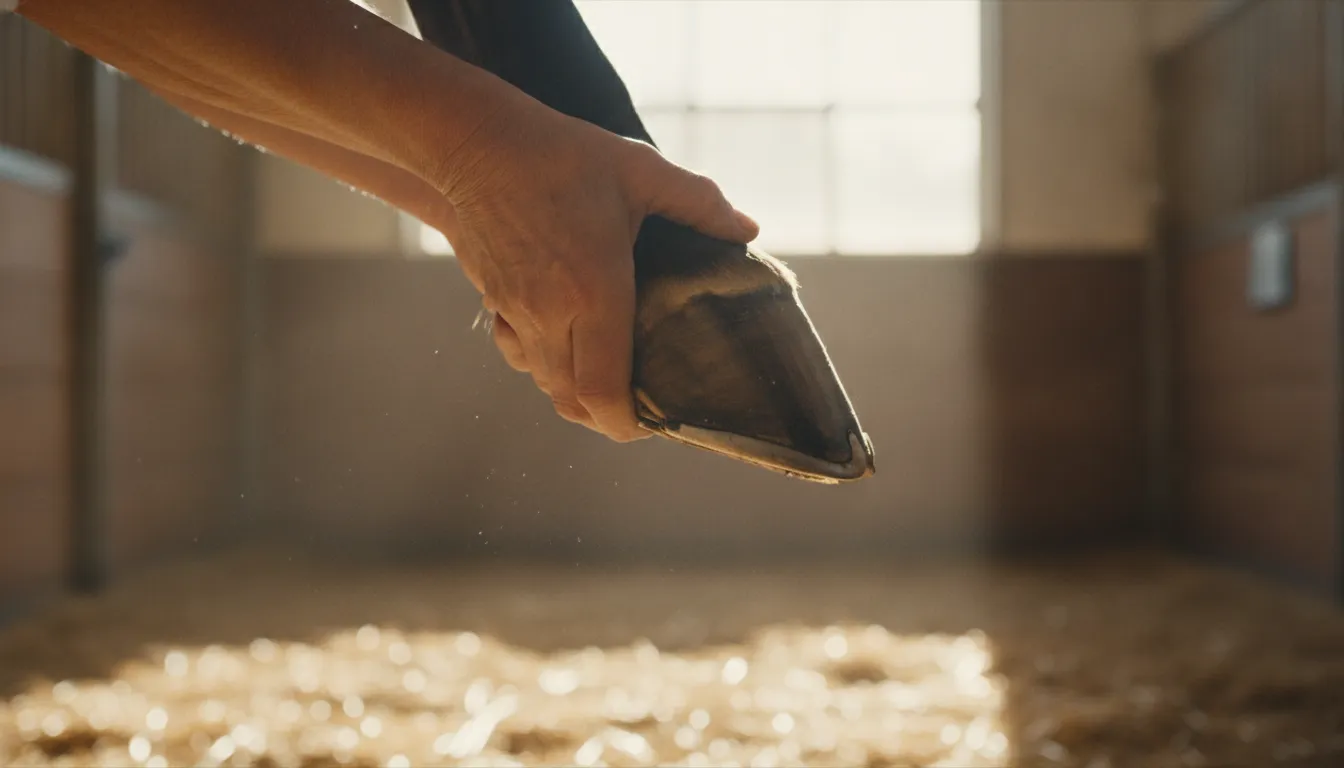
The benefits and limits of biotin
Biotin supports the quality of new hoof horn, but it cannot repair existing cracks or replace balanced nutrition, veterinary care, and regular farrier work.
Biotin for horses is a top choice for owners who want to fix weak or brittle hooves. This B-vitamin plays a key role in the structure of the hoof wall. Research shows that dietary biotin can help horses with poor horn quality by improving the bond between hoof cells. While it is a strong tool, you must understand what it can and cannot do for your horse. Using it the right way is the best path to success.
Many people think a supplement will fix cracks or chips overnight. In truth, biotin works from the inside out. It supports the base of the hoof as it forms. It does not glue together the old, damaged horn at the bottom of the foot. You should view it as a long-term goal for better health. It helps you build a better hoof over time rather than patching a current problem.
What to look for in hoof growth
One big limit of biotin is the time it takes to see a change. Biotin only helps new hoof tissue as it grows from the coronary band at the top of the foot. It does not fix the horn that is already there. Because hooves grow slow, it often takes six to nine months to see a real gain in hoof quality. This is because the new, stronger horn must grow all the way down to the ground.
In some cases, it may take a full year for a new, healthy hoof to grow out from top to bottom. You must stay patient during this phase. If you stop the supplement too soon, the new growth may become weak again. Using it every day is the only way to ensure the entire hoof wall stays tough and strong. Think of it as a long run for your horse's feet, not a short sprint.
Why biotin is not a quick fix
Supplementing biotin for horses is not a magic cure for all hoof woes. It cannot replace the work of a skilled farrier. Your farrier keeps the feet trimmed and balanced to prevent cracks from physical stress. If the trim is wrong, even the strongest hoof wall can still split or chip. Good hoof care requires a team effort between you, your farrier, and your vet.
The place where your horse lives also plays a huge role in hoof health. If a horse stands in mud or wet stalls all day, the hoof wall may soften and crumble. No amount of biotin can fight the damage caused by constant moisture or poor care. You must keep the horse's area clean and dry. This allows the supplement to do its job without being undercut by a poor living space.
A whole-horse approach to hoof health
Hoof health is a mirror of a horse's overall wellness. A good plan starts with a balanced diet that meets all the horse's needs. Owners must ensure the horse gets enough protein and energy from their hay and grain. Biotin works best when the horse also gets other key nutrients like methionine and zinc. These parts work together to create the hard, waxy seal that protects the hoof from the weather.
Using a hoof support for horses can provide the high doses of biotin needed to build a hard wall. These products often combine biotin with other minerals to give the horse the best chance at growth. You should always consult with a vet if you see sudden changes in your horse's feet. They can help you find the cause and set up a full plan for care. Supplements are one piece of a larger puzzle for horse health.
How to use biotin as part of a hoof-care plan
Use biotin consistently, review the full diet, and track new horn growth with your veterinarian and farrier for at least six to nine months.
Adding biotin for horses to a care plan needs a slow path. You cannot fix a hoof in one night. It takes months to see new growth reach the ground. To get the best results, you must look at your horse's whole life and food.
Biotin is a tool that works best when all other needs are met. It is just one part of a good care plan.
Check the whole diet first
Before you buy a tub of powder, look at what your horse eats each day. Most horses get some biotin from fresh grass and good hay. You should check if your current feed has added biotin already.
If the diet is low in key parts, adding best hoof supplement can help. Research shows that biotin helps horses with brittle or weak hooves by making the horn structure strong.
Talk to your vet and farrier
Your farrier knows your horse's feet better than anyone. They see the walls, the sole, and how the shoe fits. Ask them if they see signs of thin walls or cracks.
A vet can also check for health issues that might stop hoof growth. These pros can help you pick if your horse needs a high dose or a simple boost. They will help you find the right hoof support for horses based on what they see during each visit.
- Review the current diet. Look at the grain and hay your horse eats. See if it has enough copper, zinc, and amino acids. Biotin works best when the horse has a full set of nutrients.
- Read the label for the dose. Every product is different. Some have a lot of biotin, while others have just a little. Do not guess the amount. Follow the guide on the bag to make sure your horse gets what it needs.
- Stick to a daily routine. You must give the supplement at the same time each day. Skipping days makes it hard to tell if it works. New hoof growth happens slowly, so you must be patient.
- Take baseline photos. Use your phone to take clear pictures of all four hooves. Do this before you start the new plan. Take new photos every four weeks to see the change in the new horn growth.
- Get regular farrier help. Your farrier should check the feet every five to six weeks. They can tell you if the horn feels harder or if the cracks are growing out. This help is key for a good plan.
Stay patient and track growth
Hoof growth is a slow process that takes a lot of time. Most horses need six to nine months of biotin to show a real change. This is because the supplement only helps the new hoof wall that grows after you start.
You will not see old cracks go away. Instead, you will see a smoother and stronger wall grow down from the top. Keeping a log of these changes helps you know if the plan is working well for your horse.
Staying on track is the key part of any hoof care plan. If you miss days, the new growth may not be as strong as it could be. Think of it like a chain.
Every day you give the biotin, you add a strong link. If you stop, you may get a weak spot in the hoof wall. By sticking to the plan, you give your horse the best chance for a healthy and hard hoof over the long term.

Choosing a hoof supplement beyond biotin alone
A complete hoof supplement should pair biotin with complementary nutrients and fit into a consistent whole-horse care plan.
Many owners start with biotin for horses when they see cracks or chips. Biotin is a B-vitamin that helps the body build keratin. This protein makes up the hoof wall and gives it strength. Research shows that daily biotin use can improve hoof horn structure in horses with brittle feet. It is a solid first step for most basic hoof care plans.
But biotin is only one part of the story. It works on new growth rather than fixing old damage. This means you must wait six to nine months to see a real change. While many products give 20 mg a day, some horses need more to see clear results. For horses with big needs, a high-dose mix may be the best choice to help the new hoof grow in strong. High-level doses of 100 mg are a proven way to help feet that struggle to hold a shoe.
Key nutrients that work with biotin
Hoof growth needs more than just one vitamin. The hoof wall is a complex structure that needs many building blocks. Methionine is a key amino acid that works with biotin. It helps bond the protein layers together to create a hard, tough wall. Using a hoof support for horses that has both is often better than biotin alone. Methionine gives the hoof the raw materials it needs to stay firm and resist cracks.
Nutrients like zinc and iodine also play a big role in hoof health. Zinc helps cells grow and repair themselves after hard work. Iodine supports the thyroid, which controls how fast a horse grows new hair and horn. Without enough iodine, the hoof wall may become dull and prone to chips. When these parts work together, they help grow a hoof that can handle rocky ground and heavy loads. A lack of these items can lead to soft feet that do not hold a shoe well.
How to pick the best supplement
When you look at labels, check the dose of each item. High-grade plans often provide 100 mg of biotin and 5,000 mg of methionine per serving. This is much more than what most basic pellets offer. You want a product that gives enough support to make a change in a few months. Look for pure parts to ensure your horse gets the most out of every scoop. High-dose plans are often the best for horses with deep quality concerns.
Steady use is also vital for good results. Since hoof growth is slow, you must feed the supplement every day without fail. If you stop and start, the new growth will be uneven. This can lead to weak spots in the hoof wall later on. Stick to a set plan to keep the feet in top shape all year long. Pair your supplement with farrier visits to ensure the feet stay level and balanced as they grow.
Hoof care plan view
Some horses need more help than others. A horse on lush grass may only need a small boost. A horse in heavy training or one with very thin walls may need a full plan. Use this table to see which path fits your horse best.
| Factor | Biotin-Only | Full Support | Daily Care |
|---|---|---|---|
| Main Goal | Basic wall strength | Growth and hardness | Clean space. |
| Key Parts | Biotin only | Biotin and Methionine | None. |
| Typical Results | Slow gains | Stronger new growth | Prevents thrush. |
| Cost Level | Low | Medium | Low to High. |
| Daily Effort | One scoop | One or two scoops | Stall cleaning. |
When should you call a veterinarian or farrier?
While giving hoof support for horses can help over time, they are not for quick fixes. Some hoof issues need an expert right away. If you see signs of pain or damage, you must act fast. Knowing when to call a vet or a farrier is key to keeping your horse safe and sound.
Signs your horse needs a vet
You should call a vet if your horse starts to limp all at once. If they can barely walk, it is a big deal. Watch for these red flags.
- Heat in the hoof wall or sole.
- A strong or fast pulse near the hoof.
- Acute lameness or refusal to move.
- A bad smell or pus from the hoof.
A hot hoof often means there is an issue inside. A strong pulse is a sign of swelling or blood flow issues. A vet can check for things like laminitis or deep abscesses that a powder cannot fix.
If you see pus or a bad smell, that is a sign of infection. These spots can spread fast and cause deep harm. A vet may need to give medicine or clean the area. Always put safety first and get an expert's view on any sudden pain.
When to call the farrier for hoof damage
Your farrier is your best partner for the shape and build of the hoof. Call them if you see cracks that get worse fast. Cracks can let in dirt and cause pain. Some cracks might need a special trim or a shoe to hold the hoof together.
If the hoof wall looks very thin or weak, your farrier can help you find a plan to fix it. A farrier can also spot small issues before they get big. They know how to balance the hoof to lower stress and keep the horse sound.
But if the hoof is breaking off in chunks, they need to see it now. They can trim away the bad parts and help the new horn grow in right. They can check the base of the foot and look for small holes or signs of rot.
How supplements fit into the care plan
Daily care starts with good food and a clean stall. But once an expert has seen your horse, you can look at the long-term. Studies show that using 15 to 20 mg of biotin for horses can help with hoof strength.
This helps the new hoof grow back better after a crack or injury. Research at NIH shows that biotin helps brittle hooves over many months. It takes about six to nine months to see the full change.
This is because the hoof grows very slow. A good supplement helps the body build a strong base for the future. It works with the vet's care and the farrier's trims to keep your horse on its feet. Use these tools together to give your horse the best chance at healthy, strong hooves.
Frequently Asked Questions
Does biotin actually work for horses?
Yes, biotin helps to improve the structure of the hoof wall. Research from animal experts shows that daily biotin helps horses with brittle feet. It works by making the bond between hoof cells stronger as new horn grows in. It does not fix old cracks that are already there, but it helps the new hoof grow in much harder. You must use it every day for six to nine months to see the best results.
What is the best source of biotin for horses?
The best source of biotin for horses is a high quality product that is easy for the body to use. While horses make some biotin in their gut, experts suggest adding a daily product to ensure they get enough. Look for mixes that also include methionine and zinc. These nutrients work with biotin to help create a hard and strong hoof wall. A pure supplement provides the best support for your horse's long term health.
How much biotin can a horse have a day?
Studies show that a daily dose of 15 to 20 mg is common for a 1,000 pound horse. But horses with poor hoof health may need more support. Some high strength products provide 100 mg of biotin per serving to help build a stronger hoof wall. You should pick a dose that fits the weight of your horse and the current state of their feet. Using a steady daily amount is the best way to help new horn grow.
What happens if a horse gets too much biotin?
Biotin is a water based B vitamin. This means the body does not store it. Any extra biotin that your horse does not use will leave the body through their urine. As shown in research from experts, giving biotin does not hurt healthy horses when used in normal amounts. While it is very safe, you should still follow the dose on the product label. High doses are often used to help brittle feet without causing health problems.
Ready to improve your horse's hoof strength and growth?
Shop Hoof Strength for your horse.
Weak hooves often lead to deep cracks and lost shoes that keep your horse in the stall. If you do not address poor hoof health now, these small issues turn into big problems that take months to fix. Because the hoof wall grows slowly, every day you wait is one more day your horse goes without support. Starting a plan now is the best way to make sure they have a strong base for the next season. You will see the results in new, healthy growth that stays tough and firm through all types of ground. Do not let another month go by with thin hooves that slow your horse down. Act today to help your horse feel their best and stay on the trail or in the ring.
Shop Hoof Strength for your horse to add science-backed nutritional support to a consistent hoof-care plan.

